






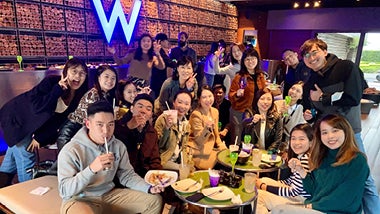

Act Like a Start-up and Recruit the Best Talent
Today, companies are no longer competing for talent with their direct competitors nor within industry, and while big brands, deep pockets, great employee benefits used to make for an attractive proposition, it seems that today’s workforce values more than just perks and financial rewards and are finding it in start-ups. Indeed, the number of professionals working in start-ups has grown by over 20% in the last 12 months.
In Robert Walters Employee Survey, professionals cited they were looking for meaningful work (34%) and a company culture that allows them to thrive (42%) in a company, traits often renowned with start-ups, as well as career growth, a challenging environment, flexible benefits and the opportunity to innovate.
In a recent Robert Walters Global Poll, 50% of professionals would prefer the experience of working in a start-up over the stability of being employed by an established company. With the number of professionals working in start-ups increasing. It is clear there is movement of employees from established organisations to new age ventures.
In this e-guide Robert Walters, together with start-up leaders, share insights on the three start-up characteristics that make them more attractive to professionals, and how more established organisations can incorporate these to recruit the best talent.
Related content
View All
Why successful hiring journeys now feel like a customer experience Think about the best customer experiences you’ve had. They’re rarely complex and elaborate, rather they make an impact on us because they were personal and easy. The best experiences we have as consumers are when journeys feel user-f
Read More
In a world that's more connected than ever, offshoring goes beyond just a cost-saving tactic. It's a way for businesses to access global talent, scale operations, or even drive innovation by leveraging niche expertise from specific regions. Packed with practical insights, proven frameworks, and real
Read More
The job market is evolving rapidly, and staying ahead of the curve is essential for attracting and retaining top talent. To ensure your hiring practices remain effective in 2025 and beyond, it's crucial to embrace emerging trends and adapt your interview strategies accordingly. Because it’s the linc
Read More